

According to a 2023 report from Deloitte, more than 60 percent of consumers now expect businesses to come to them instead of requiring them to visit a shop. That expectation, once reserved for food delivery or grocery pickup, has become a demand in auto care too.
Just imagine this: you wake up to a chip in your windshield and by lunchtime it’s gone, without leaving your driveway. That is the promise of mobile service platforms in automotive work, where technology meets grease and glass. Even something as specific as auto glass replacement can now happen while you sip coffee or tackle emails. No workshops, no waiting rooms, no calling a hundred numbers. It’s a convenience revolution with some real brains behind it.
To make all this possible, it’s crucial that your vehicle’s systems are up to date, including your MOT check status. No workshops, no waiting rooms, no calling a hundred numbers. It’s a convenience revolution with some real brains behind it.
The idea of a mechanic rolling up to your house with a van full of tools might sound like a quirky sitcom setup. But it is real. And it works because of a mix of apps, smart scheduling, inventory systems, and logistics. The result is better service for customers and smarter operations for businesses.
How Technology Makes It All Work

First, let’s talk about apps. A good booking app feels as natural as ordering a ride or food. You open it, pick a time, describe the problem, and tap confirm. The platform then connects you with a technician nearby who has the right skills and the right parts.
Behind that smooth interface is a dispatch system. It’s a blend of GPS, calendars, and algorithms that send the right tech to the right place at the right time. Think of it like air traffic control for mechanics. This system reduces wait times. Customers get windows that are actually accurate. And technicians spend more time fixing cars and less time driving around lost.
Inventory tracking is another quiet hero here. When a technician pulls out of the yard, their truck has a mini warehouse inside. Sensors and inventory software know what parts are on board. If a particular windshield model is low, the system flags it and restocks before the next job. That prevents those awkward “I’m sorry, I need to order that and come back tomorrow” moments we all dread.
A Day in the Life of a Mobile Tech
Take Jerry, a mobile mechanic in Phoenix. His workday starts with a dash through his app, checking his schedule. A cracked windshield here; an oil change there. The system has already mapped out the most efficient route to keep his fuel costs down. It’s like having a personal assistant without the extra coffee runs.
Jerry jokes that on bad days he feels like a magician, pulling parts out of his van like rabbits from a hat. On good days, the tech system has already figured out that the part he needed would sell out that afternoon. So he’s ready before the customer even texts “where are you?”
Benefits for Customers
- Convenience, obviously. People don’t want to rearrange their day just to get to a shop.
- Faster service. Apps and smart dispatch cut down wait time dramatically.
- Transparency. Most platforms give you updates, ETA tracking, and pricing before the tech arrives.
- Less downtime for vehicles. You don’t have to drop off a car for half a day and figure out a ride home.
For someone juggling kids, work, and errands, these might feel like luxury perks. But they’re becoming expected. Statista recently found that convenience and speed rank highest among factors consumers look for in auto services. People want solutions that fit into their lives, not ones that take over their day.
Benefits for Businesses Too
You might think this is all about pampered customers. But the businesses running these platforms are seeing big gains too.
More jobs per day. A tech isn’t tied up waiting in a lobby. They are where they need to be, when they need to be there. Technology also improves communication. It reduces missed appointments and confusion. Customers get texts or app messages about arrival time, just like ride-hail services.
Data is another asset. Companies now track patterns: what services are most requested, what parts run low, what zip codes have high demand. This insight allows them to plan inventory, staff more effectively, and even predict peak times. Some companies are using machine learning to forecast demand, which might sound fancy, but really it means fewer delays and happier customers.
What to Look for in a Tech-Savvy Provider
If you’ve ever had a bad experience with a slow scheduler or a technician late with no notice, you know how frustrating automotive service can be. So when evaluating a mobile auto repair provider, pay attention to a few tech-savvy markers:
- Easy and clear scheduling, with reminders.
- Real-time tracking or updates.
- Inventory transparency — technicians show up ready.
- Clean interfaces and honest pricing before you confirm.
A great mobile service feels reliable, and it often means the company has invested well on the tech side. And that’s good for everyone. You get repairs without stress. The business gets repeat customers because the experience is smooth.
Wrapping Up
Mobile service platforms are doing more than delivering convenience. They are reshaping expectations in automotive repair. From smarter scheduling to precise inventory tracking, technology is turning what used to be a hassle into something nearly effortless. And as these systems evolve, so does the quality and speed of service.
For everyday drivers tired of waiting rooms and complicated schedules, these innovations are a welcome change. And for those who value time as much as money, it could become the new standard for services like auto glass repair and other on-the-go fixes.
By streamlining logistics and enhancing communication, mobile automotive services are changing the game. And if you’ve ever watched a technician pull up in a van that’s part tool chest and part high-tech command center, you know it feels like the future has already arrived.
That’s why when you choose a mobile provider with strong systems behind it, you aren’t just getting a repair, you’re getting peace of mind. Ultimately, this tech-forward approach is setting a new expectation for service, and it’s here to stay.
For many drivers, a good mobile service means the days of long waits and shops full of cars could soon be a thing of the past. And that is a very good thing.
 Technology has completely transformed the way businesses promote their products online. Before, ads relied heavily on manual placements and keyword bidding. Today, advanced tools and algorithms automate most of the process. Search engine advertising agents—whether independent professionals or part of a marketing firm—use powerful technologies to manage and optimize ad campaigns in real time.
 Light has been used as a form of healing for centuries, from ancient sun therapies to modern clinical treatments. Red light therapy has recently stepped into the spotlight as one of the most researched and promising methods for supporting skin, muscle, and overall wellness. Among the newest innovations in this field is the Helios Bed, designed to deliver targeted red and near-infrared light in a safe, controlled environment. Its growing popularity has sparked curiosity: how does it work, and why is it making such an impact?
 These wellness centers, many of which are featured on OPCMD, a directory and information hub for trusted OP sites, are offering guests the chance to unplug and unwind in innovative ways. Ironically, the very thing that overwhelms us—technology—is now being used to calm our minds, reset our nervous systems, and improve overall well-being.
 Data leaks cost tech companies billions each year through stolen code, breached customer information, and compromised trade secrets. These leaks aren’t always the work of overseas hackers—often, the source is internal. Whether it’s a disgruntled employee or a simple oversight, the results can be devastating. That’s why startups and IT firms are turning to digital forensics investigators to detect and stop breaches before the damage spirals out of control.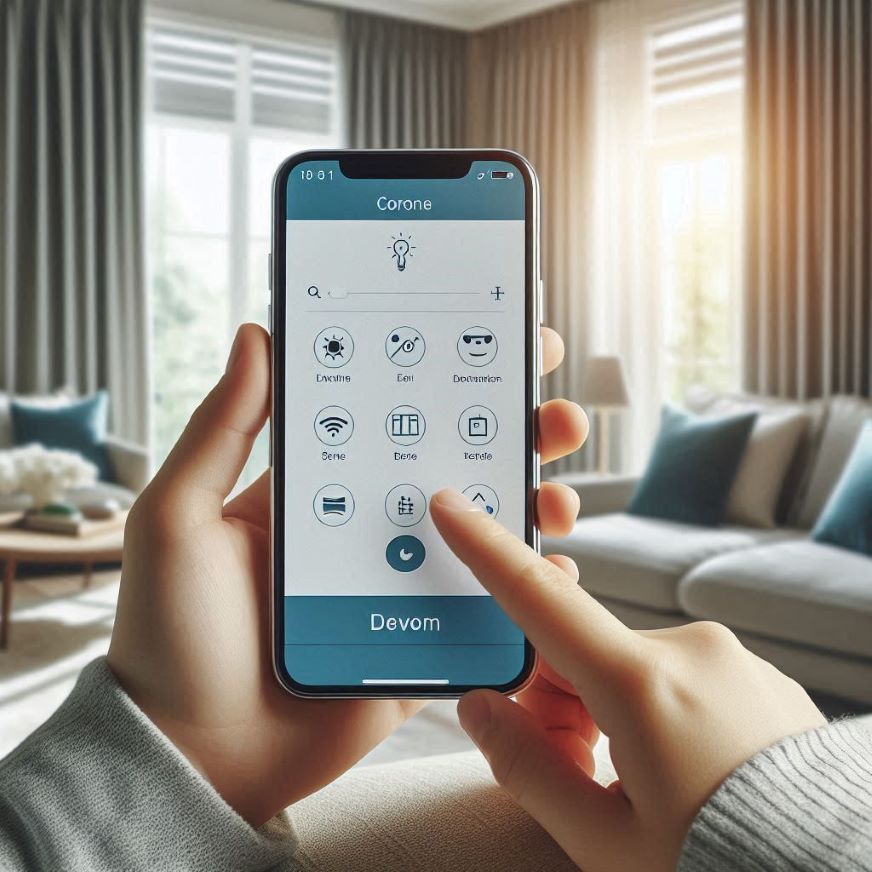
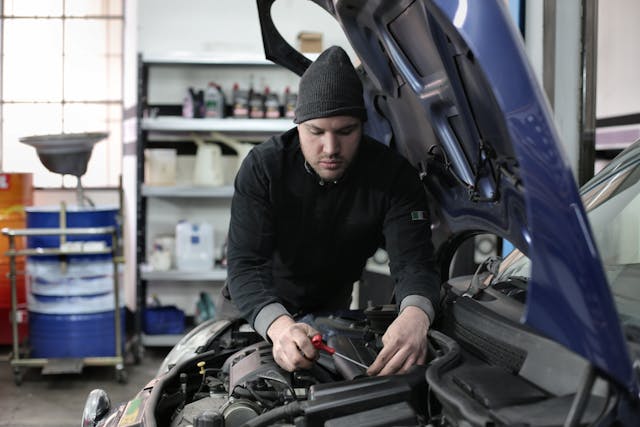 A MOT check ensures that your vehicle is fit to be on the road.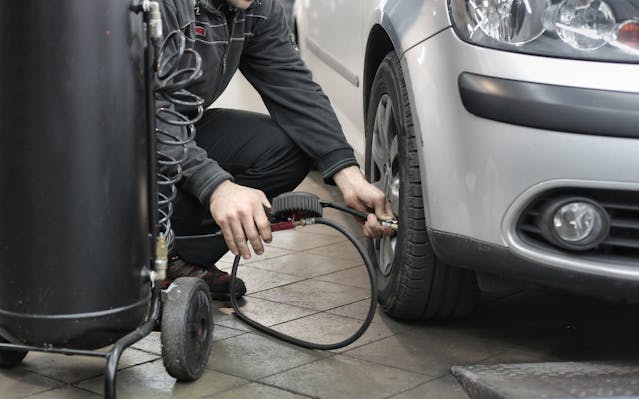
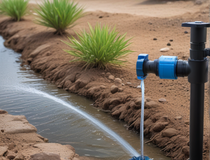 These detect the amount of water flowing while detecting the flow rate. Water leakage often occurs when the tap is off, and the water is running. A leak in the water supply pipeline can cause a sudden gush or constant dripping.
 In today’s rapidly advancing technological landscape, the concept of a smart home is no longer a futuristic dream but a reality. Among the various innovations that have emerged, a smart wall panel stands out as a game-changer in home automation. These panels not only add aesthetic appeal to your home but also offer a range of functionalities that can make your life more convenient and efficient.








 The concept of software raises questions about why software has become the backbone of any business’s growth. In this digital era, software has become the soul of every organization in order to maintain agility, efficiency, and service and reduce ramifications. Software stores our documents, lets us talk to each other, keeps our data safe, and keeps client information safe.

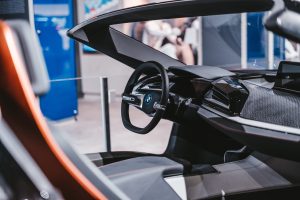 In the future, cars will not only be able to drive themselves but also provide assistance when needed. This means that the car will be able to detect any potential dangers on the road and provide warnings.




 What is a Service Host?