

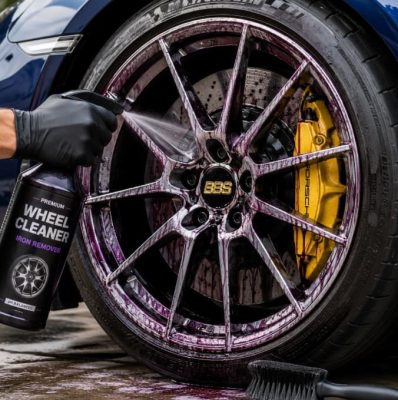
 Brake dust is an unavoidable part of driving, especially for performance vehicles, sports cars, and cars that regularly see track use. Every time the brakes are applied, tiny particles from the brake pads and rotors are released. These particles quickly collect on alloy wheels, creating a dark, stubborn layer that can be difficult to remove if left untreated.
Years ago, removing brake dust often required aggressive chemicals and vigorous scrubbing. Today, advances in wheel cleaner (velgenreiniger kopen) technology have made the process safer, faster, and more effective. Modern wheel cleaners are designed to dissolve stubborn contaminants while protecting delicate wheel finishes, making routine maintenance much easier for everyday drivers and car enthusiasts alike.
Why Brake Dust Is So Difficult to Remove
Brake dust is more than ordinary road dirt. It contains a mixture of carbon fibers, metallic particles, adhesive compounds, and brake pad and rotor residue. During braking, these materials are exposed to extremely high temperatures before settling onto the wheels.
As the wheels heat up during driving, brake dust can bond tightly to the surface. Rain, road salt, and moisture can make matters worse by helping contaminants stick even more firmly. If ignored for long periods, brake dust can stain wheel finishes and become increasingly difficult to remove. This is why using a cleaner specifically formulated for wheels is far more effective than relying on standard car shampoo alone.
The Evolution of Wheel Cleaners
Traditional wheel cleaners often relied on highly acidic or alkaline formulas to cut through brake dust. While these products could be effective, they also carried risks. Improper use sometimes caused damage to painted wheels, polished aluminum, or sensitive finishes.
Modern wheel cleaners take a different approach. Advances in automotive chemistry have produced products that are both powerful and safer for regular use. Many premium cleaners are now pH-balanced or carefully formulated to remove contamination without harming clear-coated, painted, powder-coated, or chrome wheels. This allows vehicle owners to clean more confidently while reducing the risk of damaging expensive alloys.
Advanced Chemical Formulas Target Brake Dust
One of the biggest improvements in wheel cleaner technology is the development of specialized cleaning agents that target metallic contamination. Instead of relying purely on strong acids, many modern products use chemical reactions that break down iron-rich brake dust. These formulas loosen embedded particles so they can be rinsed or gently brushed away without excessive scrubbing.
Because the contamination is chemically dissolved rather than physically scraped from the surface, there is less chance of scratching delicate wheel finishes. This approach also reduces cleaning time, particularly on heavily used vehicles.
Colour-Changing Technology Makes Cleaning Easier
Many modern wheel cleaners feature color-changing technology that provides a visual indication of the cleaning process. When the product comes into contact with iron particles found in brake dust, it reacts chemically and changes color, often turning purple or red. This color change signals that the cleaner is actively breaking down metallic contamination.
Although the color itself does not make the cleaner more effective, it helps users identify areas where brake dust is being dissolved and indicates when the product has had enough time to work before rinsing. This feature has become especially popular among detailing enthusiasts because it makes the cleaning process easier to monitor.
Better Lubrication Means Less Scrubbing
Modern wheel cleaners often include lubricating ingredients that help brushes and wash mitts glide smoothly across the wheel surface. Instead of aggressively scrubbing baked-on brake dust, the cleaner softens contamination, creating a slick surface that reduces friction. This minimizes the risk of creating fine scratches on painted or polished wheels.
In many cases, light brake dust can be removed almost entirely through rinsing after the cleaner has had time to dwell, requiring very little physical agitation. The result is a cleaner finish with less effort.
Safe for a Wide Range of Wheel Finishes
Vehicle manufacturers now offer wheels in many finishes, including painted alloys, machined faces, satin coatings, gloss-black finishes, powder-coated wheels, and chrome. Modern wheel cleaner technology has evolved to accommodate these varied materials. Many products are suitable for use on multiple wheel types when used according to the manufacturer’s instructions.
This versatility makes maintenance easier for owners who may have several vehicles with different wheel finishes or who regularly upgrade aftermarket wheels. As always, testing any new cleaner on a small, inconspicuous area is recommended before full application.
Protecting Wheels for the Long Term
Brake dust does more than affect appearance. If left on wheels for extended periods, metallic particles can become corrosive, particularly when combined with moisture and road salt.
Regular cleaning removes these contaminants before they cause staining or long-term surface damage. This helps preserve protective clear coats and extends the life of alloy wheels.
Clean wheels are also easier to inspect for chips, cracks, curb damage, or loose wheel weights that may require attention. Routine maintenance reduces the likelihood of costly refinishing or replacement in the future.
Proper Technique Still Matters
Even the most advanced wheel cleaner performs best when used correctly. Begin by allowing the wheels to cool before cleaning. Applying wheel cleaner to hot surfaces can cause the product to dry too quickly, reducing its effectiveness.
Spray the cleaner evenly across the wheel, ensuring it reaches the spokes, barrel, and around the lug nuts. Allow it to dwell for the recommended time so it can react with brake dust and loosen contamination.
Use soft wheel brushes to gently agitate stubborn areas if necessary, then rinse thoroughly with clean water. Following up with a quality car shampoo during the main vehicle wash helps remove any remaining residue and leaves the wheels looking their best.
Pair Wheel Cleaners with Protective Coatings
Modern wheel cleaners become even more effective when paired with wheel sealants or ceramic coatings. These protective coatings create a barrier that prevents brake dust from bonding tightly to the wheel surface. As a result, future cleaning requires less effort, and contaminants rinse away more easily.
For drivers who frequently travel long distances, participate in motorsport events, or own high-performance vehicles, combining advanced wheel cleaners with protective coatings can significantly reduce ongoing maintenance.
Final Thoughts
Modern wheel cleaner technology has transformed the way brake dust is removed from vehicles. Advanced chemical formulas, iron-reactive cleaners, color-changing indicators, and safer pH-balanced products allow drivers to clean their wheels more effectively while protecting valuable finishes.
Although proper washing techniques remain essential, today’s wheel cleaners make routine maintenance quicker, safer, and far less labor-intensive than in the past. By removing brake dust before it causes staining or corrosion, they help preserve both the appearance and longevity of alloy wheels. For anyone who wants to keep their vehicle looking its best, investing in a high-quality modern wheel cleaner is a smart addition to any regular car care routine.