
 Technology is now part of almost every area of property management, and fencing is no exception. A fence used to be seen as a simple physical barrier. Today, it can be part of a wider security system that includes cameras, sensors, access controls, lighting, and remote monitoring. This shift has made practical fencing options more useful for homes, businesses, schools, warehouses, sports areas, and public spaces.
Black PVC chain link fencing fits well into this modern approach. It keeps the strength and open design of traditional chain link while offering a cleaner and more polished appearance. The black PVC coating also adds a layer of protection around the metal wire. This can help reduce direct exposure to moisture and everyday wear.
One major advantage of chain link fencing is visibility. Unlike solid walls or timber panels, it allows people to see through the fence. This can support security because cameras and staff can monitor both sides of the boundary. Clear sightlines can also reduce hidden areas around a property.
Modern security cameras work especially well with open fencing. Fixed cameras, motion cameras, and smart cameras can be placed near gates, corners, and access points. The fence creates the boundary, while the camera system provides visual monitoring. Together, they can create a stronger security setup than either option on its own.
Sensors can also be added to gates and entry points. These sensors can alert a property owner when a gate is opened or when movement is detected in a restricted area. Some systems can connect to a smartphone, computer, or central security platform. This gives users more control even when they are away from the site.
Technology does not make the physical fence less important. In fact, it makes the fence more useful. The fence provides a visible and practical barrier, while digital tools add another layer of awareness and control.
Why Black PVC Chain Link Fencing Works Well With Smart Security
Black PVC chain link fencing is a practical choice because it can support security without making a property feel closed off. The dark coating often blends well with landscaping, buildings, and outdoor equipment. This can make the fence less visually dominant than bright metal fencing.
The coating can also help protect the steel beneath it. Chain link fencing is usually built for long-term outdoor use, but additional protection can be useful in places exposed to rain, dirt, or changing weather. The PVC layer helps separate the metal from direct contact with the environment.
From a technology point of view, the fence can support many types of equipment. Cameras can be mounted on nearby posts. Motion lights can be placed along the fence line. Gate access systems can be installed at entry points. Intercom systems can also be added where visitors need permission before entering.
For business sites, black PVC chain link fencing can work with keypad entry systems, card readers, and automatic gates. These tools can help control who enters and leaves the property. They can also create digital records of access when connected to a wider security system.
At residential properties, the same idea can be used on a smaller scale. A homeowner may install a black chain link fence around the garden, side access, or driveway. A smart doorbell, gate sensor, or outdoor camera can then monitor the area. This creates a simple system that combines physical security with digital awareness.
Sports grounds and schools can also benefit from the open design. Staff can watch activity across the site without large solid barriers blocking the view. Cameras can cover entry areas, pathways, and playing fields. The fence helps guide movement, while technology helps monitor it.
Another useful feature is that chain link fencing can often be adapted later. A site may start with a basic fence and manual gate. It can then add security lights, cameras, or automated access as needs change. This makes the system easier to upgrade over time.
Planning a Technology-Friendly Fence Installation
A good security system starts with planning. Before installing black PVC chain link fencing, property owners should look at how the space is used. They should identify entrances, busy areas, blind spots, parking zones, storage spaces, and locations that may need extra monitoring.
The height of the fence should match the purpose of the site. A low fence may be suitable for a garden or simple boundary. A taller fence may be better for commercial areas, equipment yards, or locations that need stronger access control. Local rules and planning requirements should also be checked before installation.
Gate placement is another important part of the design. Gates should be easy to use but placed where access can be managed properly. If a property will use a smart lock, keypad, card reader, or automatic opener, the gate should be planned around that equipment.
Lighting is also important. Smart lights or motion-activated lights can improve visibility around the fence at night. Better lighting can help cameras capture clearer images and can make access points easier to monitor.
Power and internet access may be needed for some devices. Wired cameras, gate motors, and access systems may need electrical connections. Wireless devices may need reliable Wi-Fi or mobile network coverage. These details should be considered when choosing where equipment will be installed.
Maintenance should include both the fence and the technology. The fence should be checked for loose fittings, damaged coating, bent wire, or gate problems. Cameras and sensors should be cleaned and tested. Software and passwords should also be updated when required.
Black PVC chain link fencing works well in modern security because it is simple, adaptable, and easy to combine with digital tools. It can define a boundary without blocking visibility. It can also support cameras, smart gates, sensors, and lighting. When physical fencing and technology are planned together, property owners can create a more practical and flexible security system for the long term.
 Brake dust is an unavoidable part of driving, especially for performance vehicles, sports cars, and cars that regularly see track use. Every time the brakes are applied, tiny particles from the brake pads and rotors are released. These particles quickly collect on alloy wheels, creating a dark, stubborn layer that can be difficult to remove if left untreated.
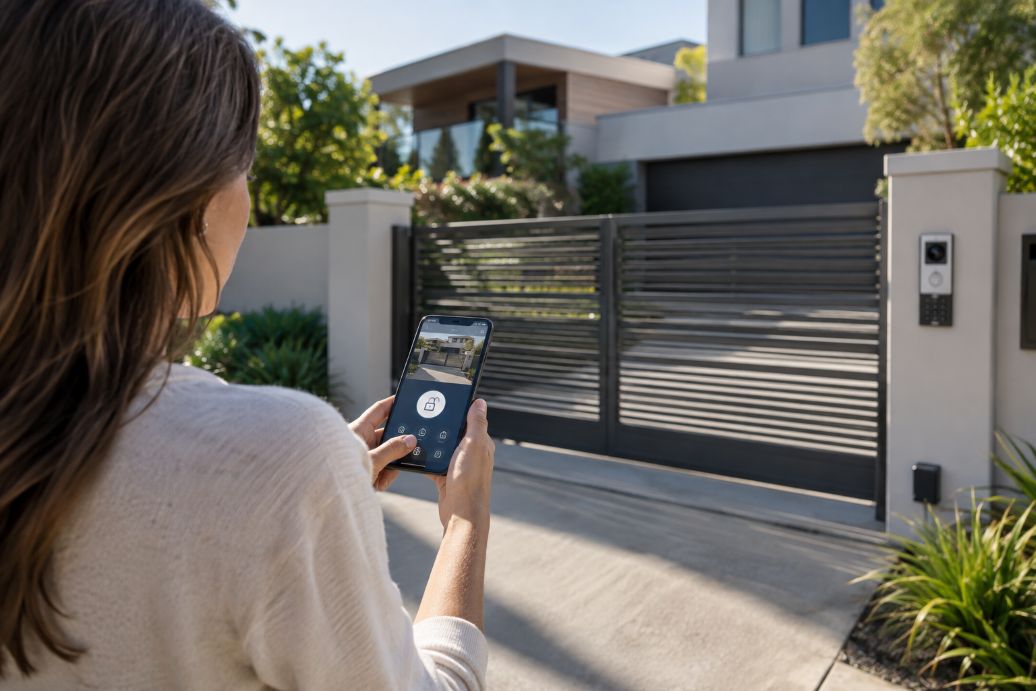
 Global smart home adoption continues to grow, and smart locks are becoming one of the most common upgrades for residential security. Data from Grand View Research indicates that the smart lock market continues expanding as homeowners look for keyless access, remote management, and connected home features. Convenience often drives the decision. People like the ability to unlock doors with phones, assign temporary access codes, and monitor entry activity from anywhere.
 Technology has completely transformed the way businesses promote their products online. Before, ads relied heavily on manual placements and keyword bidding. Today, advanced tools and algorithms automate most of the process. Search engine advertising agents—whether independent professionals or part of a marketing firm—use powerful technologies to manage and optimize ad campaigns in real time.
 Light has been used as a form of healing for centuries, from ancient sun therapies to modern clinical treatments. Red light therapy has recently stepped into the spotlight as one of the most researched and promising methods for supporting skin, muscle, and overall wellness. Among the newest innovations in this field is the Helios Bed, designed to deliver targeted red and near-infrared light in a safe, controlled environment. Its growing popularity has sparked curiosity: how does it work, and why is it making such an impact?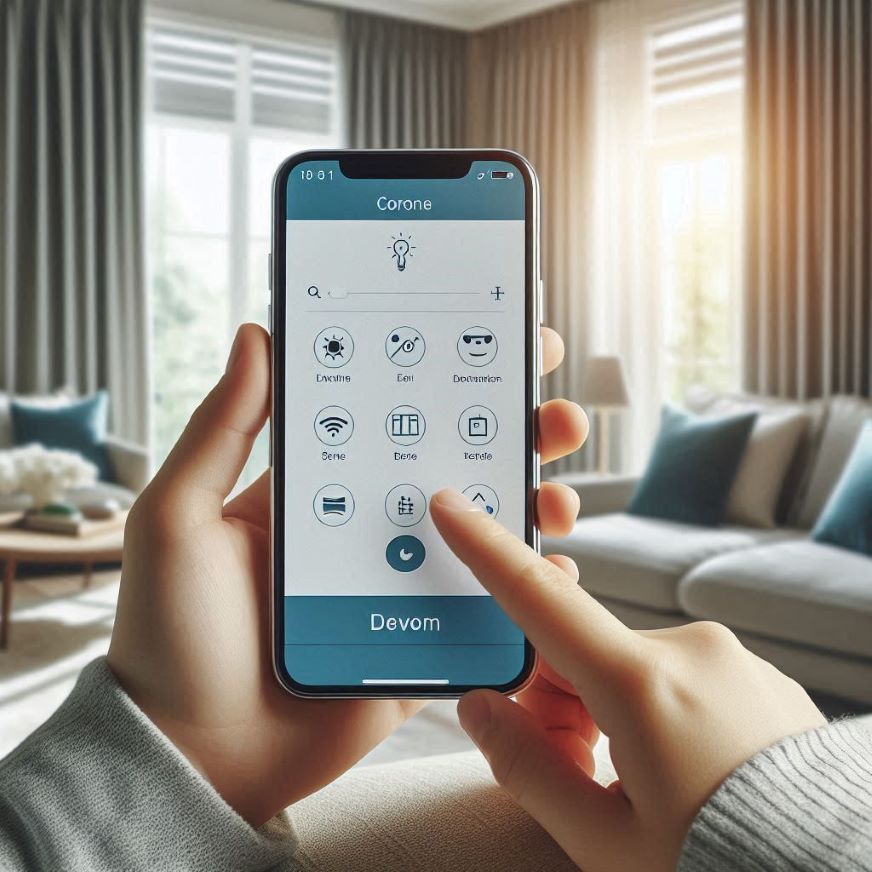


 In the future, cars will not only be able to drive themselves but also provide assistance when needed. This means that the car will be able to detect any potential dangers on the road and provide warnings.
 Due to the prolonged lockdown due to the COVID-19 pandemic, more and more companies and individuals are making new plans to work from home. Thanks to the rapid development of smart technology, setting up a home office has become much more manageable. You can use other tools and gadgets to be more productive and stay healthy while working away from the office. See these few lists of valuable appliances and devices for work-from-home setup.




 Time really is a critical factor for many men.
 These wellness centers, many of which are featured on OPCMD, a directory and information hub for trusted OP sites, are offering guests the chance to unplug and unwind in innovative ways. Ironically, the very thing that overwhelms us—technology—is now being used to calm our minds, reset our nervous systems, and improve overall well-being.
 Data leaks cost tech companies billions each year through stolen code, breached customer information, and compromised trade secrets. These leaks aren’t always the work of overseas hackers—often, the source is internal. Whether it’s a disgruntled employee or a simple oversight, the results can be devastating. That’s why startups and IT firms are turning to digital forensics investigators to detect and stop breaches before the damage spirals out of control.


 A MOT check ensures that your vehicle is fit to be on the road.
 These detect the amount of water flowing while detecting the flow rate. Water leakage often occurs when the tap is off, and the water is running. A leak in the water supply pipeline can cause a sudden gush or constant dripping.
 Behavioral health professionals offer troubled adolescents with a teen mental health retreat in Washington State that conducts personalized mental health programs. Such programs are modelled after an evidence-based treatment called Dialectical Behaviour Therapy (DBT). It’s a therapy that teaches people to use new skills and apply strategies that can make them change their outlook in life.
 Mental health experts say that failure to address mental health issues of adolescents and teens could extend the problem into adulthood. The consequences of such failure will likely impair not only mental but also physical health when the affected teens reàch adulthood.
 In today’s rapidly advancing technological landscape, the concept of a smart home is no longer a futuristic dream but a reality. Among the various innovations that have emerged, a smart wall panel stands out as a game-changer in home automation. These panels not only add aesthetic appeal to your home but also offer a range of functionalities that can make your life more convenient and efficient.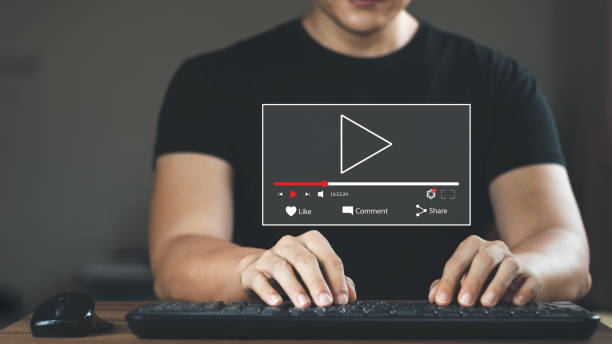







 The benefits of customized jewelry are that it is special and does not have the same design as other people. Make sure customer knows what they want before they order a customized ring. The customer should be able to describe their preferences in detail, so the jeweler can create something that will suit them perfectly.

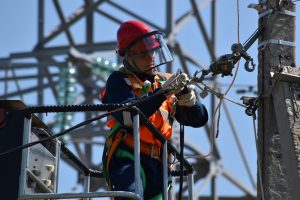 With these developments in urban living, electric companies along with professional electricians will have to learn new things and adapt to new technologies. Companies like Abacus, though a registered plumbing company, have launched a new set of electricians to help in the urbanization process in both plumbing and electrical works needed by every building.